Episode 13 · October 22, 2026 · Hosted by Sebastian
Where Should AI Go First? Prioritizing Processes and Tasks With Attributes
How to prioritise AI initiatives from your process models instead of case by case. We ran two passes: on the process level, two simple attributes and a filter produced a shortlist; on the task level, value potential against feasibility picked the first initiatives. In our example that left five concrete opportunities.
The big takeaway
Prioritise in two passes. The process level tells you where to look. The task level tells you what to actually do.
Both run on a handful of attributes, so the ranking comes from the same data points across every process rather than from whoever argues best in the meeting.
What we walked through
- 01
Two attributes on the process level
AI potential and process maturity, each just high, medium or low. Process owners can tag their own processes straight from the process list.
- 02
Shortlist by filtering
High AI potential combined with low maturity usually means a lot of manual work in a process that is safe to change. If you have 20 or more processes mapped, this is where you start.
- 03
Go down to the tasks
Inside the shortlisted processes, rate each task on value potential and feasibility. Add risk or data availability as a third dimension where it matters.
- 04
Start in the top corner
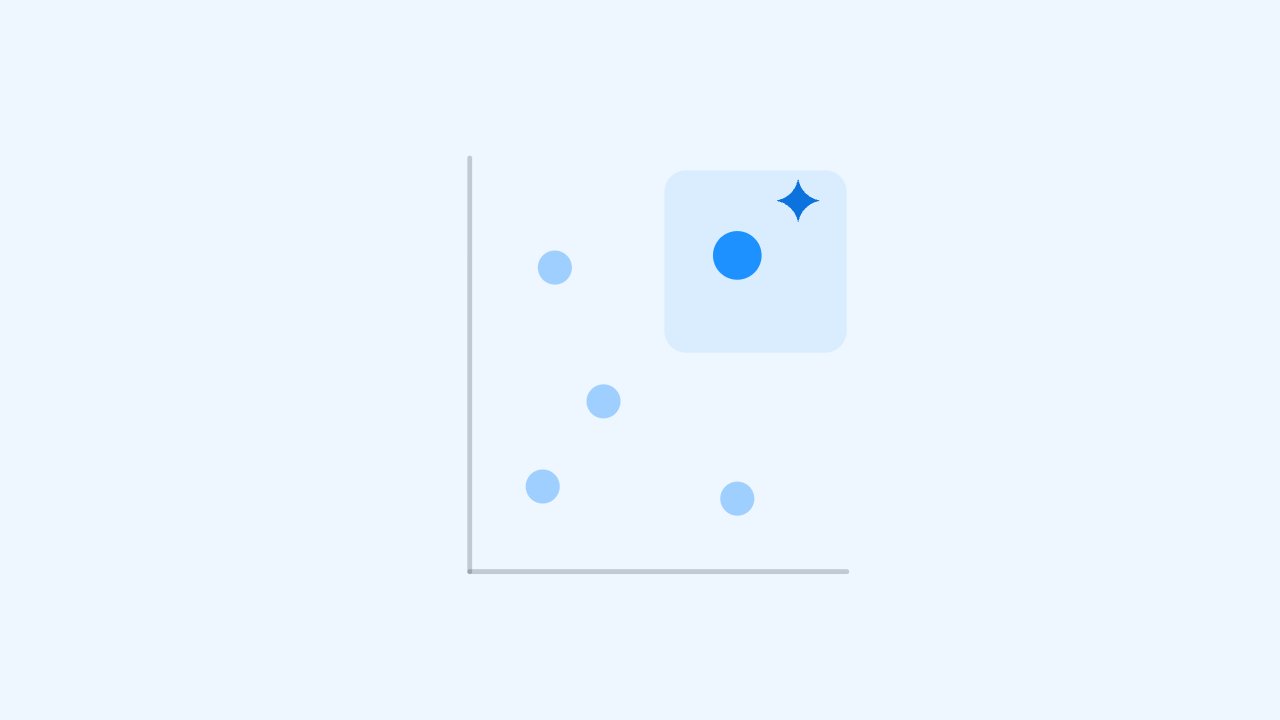
Plot the tasks on value against feasibility. The ones high on both are your first initiatives. In our example that left five concrete opportunities to tackle first.
- 05
AI drafts, owners decide
AI can pre-classify the whole landscape, but treat it as a first draft for process owners to review. The more context it has, such as linked documents and source systems, the better the classification gets.
- 06
The process becomes your baseline
Before any change goes in, save the current state as a milestone. Once the AI is live, you can compare old and new and actually measure whether it paid off.
Discuss this episode
Ask a question, share how you would model it, or suggest the next topic.
More episodes
All episodes →
Automating a Quote Process Step by Step: From Baseline to Roadmap
We took our own offer process, the one we use to quote every customer, and walked it from as-is to to-be live. Not in one leap but in milestones: an agent drafting offers, offers published on a portal, and contracts triggered on acceptance, each one a change small enough to hand to an implementation team.
We Drove Our Own Expense Process Close to Full Autonomy
Our own finance operation, taken apart and redesigned from scratch around AI. We modelled the ideal on a green field: snap a receipt and the agent labels, classifies and matches it against payments, with weekly runs instead of a month-end scramble. The diagram became the spec for our developers, and the process has been running live ever since.
Most BPMN Diagrams Get This Wrong
Why mixing departments, systems and roles in the same view quietly breaks a process landscape. We tied each view to a modelling level: on the business level, lanes show responsibilities; on the system level, systems become pools and message flows show their interactions. And we landed on one principle: consistency beats correctness.