Episode 5 · April 30, 2026 · Hosted by Sebastian
The Hidden Context Layer: Clean Diagrams, Rich Metadata
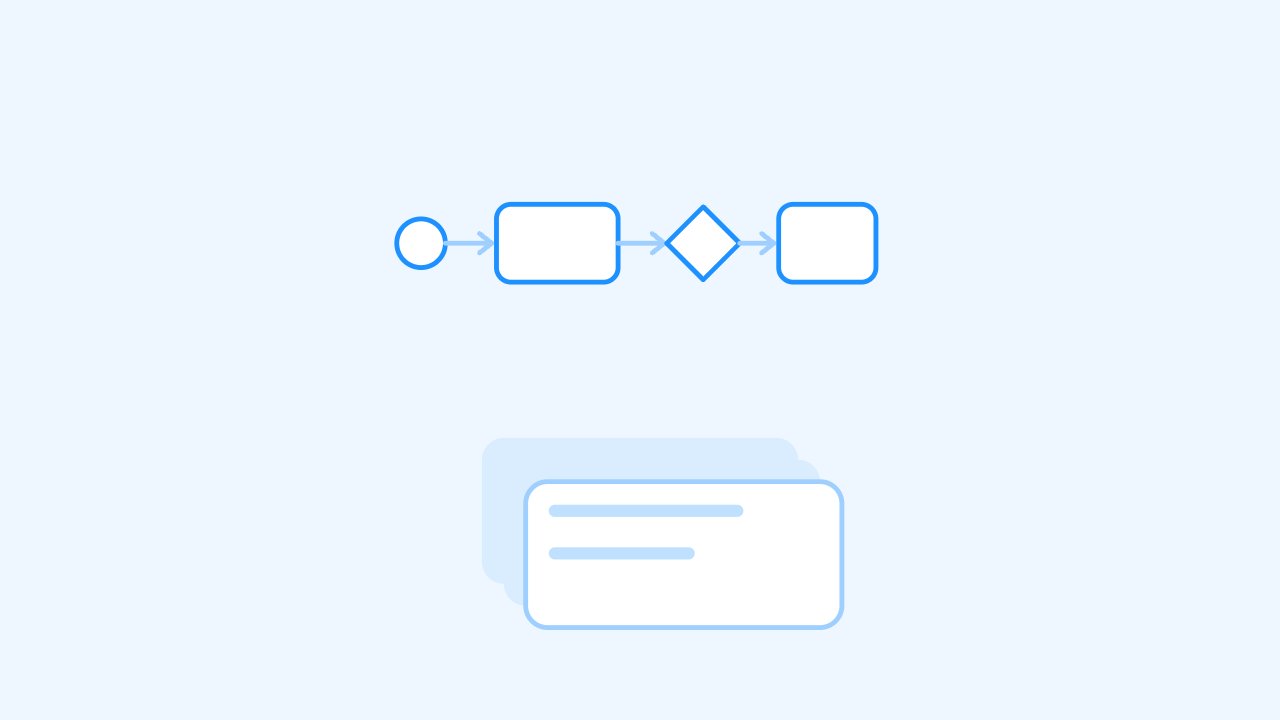
How to make diagrams leaner and smarter at the same time. Instead of stacking labels on tasks, we put time, cost, system, owner and risk into a structured attribute layer behind the canvas, then looked at the reporting, system mapping and compliance use cases that layer unlocks.
The hidden layer that makes diagrams leaner and smarter.
The big takeaway
Depth and clarity aren't opposites. They live in different layers.
Get the layers right and your diagrams stop being decoration and start driving decisions.
What we walked through
- 01
A diagram without attributes is just a picture
Add structured data such as time, cost, system, owner and risk, and the same diagram becomes an analytical tool. Same shape on screen, completely different power underneath.
- 02
Don't put data on the canvas. Put it behind the canvas.
Most modellers try to add depth by stacking labels on tasks, and the diagram becomes unreadable. Attributes live in a structured layer alongside the model. The canvas stays clean, the data is a click away.
- 03
Start with three, not twenty
Time, cost, owner. That's already a huge upgrade over pure diagrams. Build the discipline first, then expand. Frequency, compliance tags, automation potential and SLAs come later.
- 04
The use cases this unlocks
Reporting: "top 5 most expensive processes" is a conversation executives engage with. System mapping: filter by the system attribute and see everything that touches the system you're migrating away from. Compliance: tag risk and compliance attributes once, run audit-ready reports forever.
- 05
Rolling it up
Once attributes are populated, totals matter more than individual values: total process cost, total cycle time, distribution by owner. That's the level leadership cares about. The diagram is the audit trail underneath.
Discuss this episode
Ask a question, share how you would model it, or suggest the next topic.
More episodes
All episodes →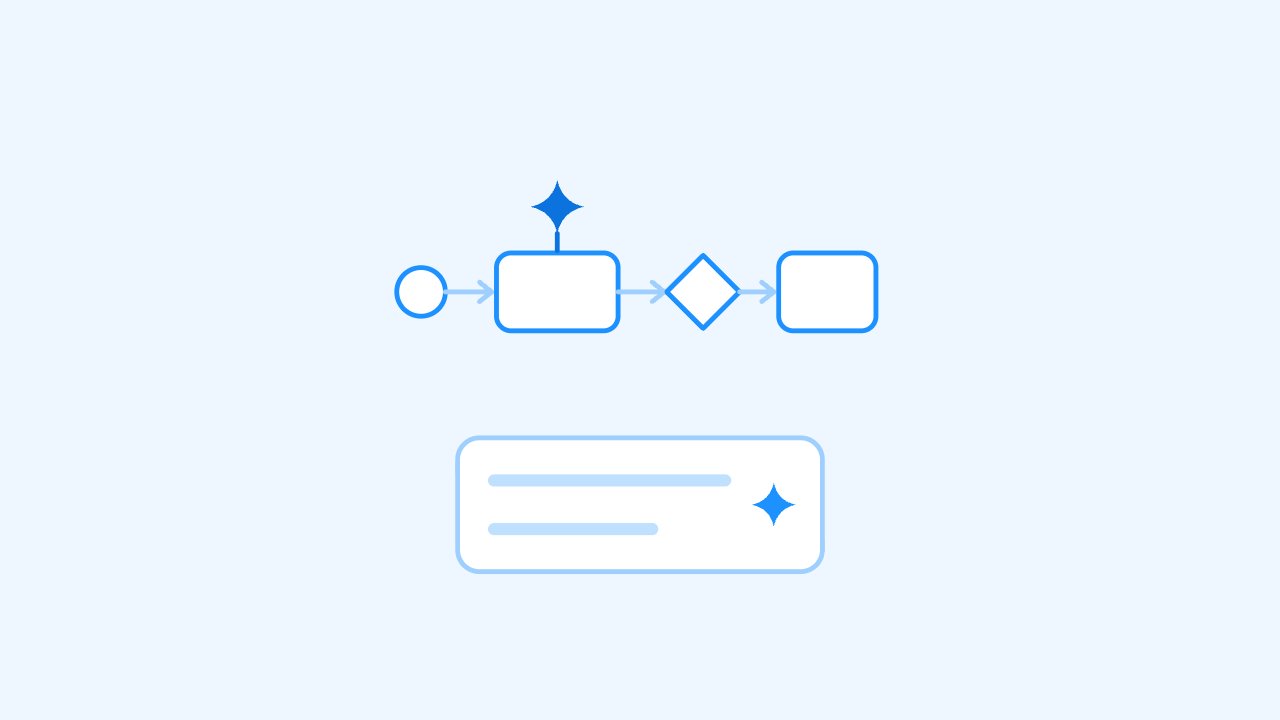
AI Meets Your Process Models: Updating, Querying and Restructuring Live
An open, live session connecting AI directly to a BPMN process to see what happens when it can work on the model itself. No slides, just live prompting: enriching a diagram with cost and time, asking it questions, checking consistency across a landscape, and restructuring a whole landscape, which went surprisingly far.
Pools vs. Lanes: When to Separate External Stakeholders
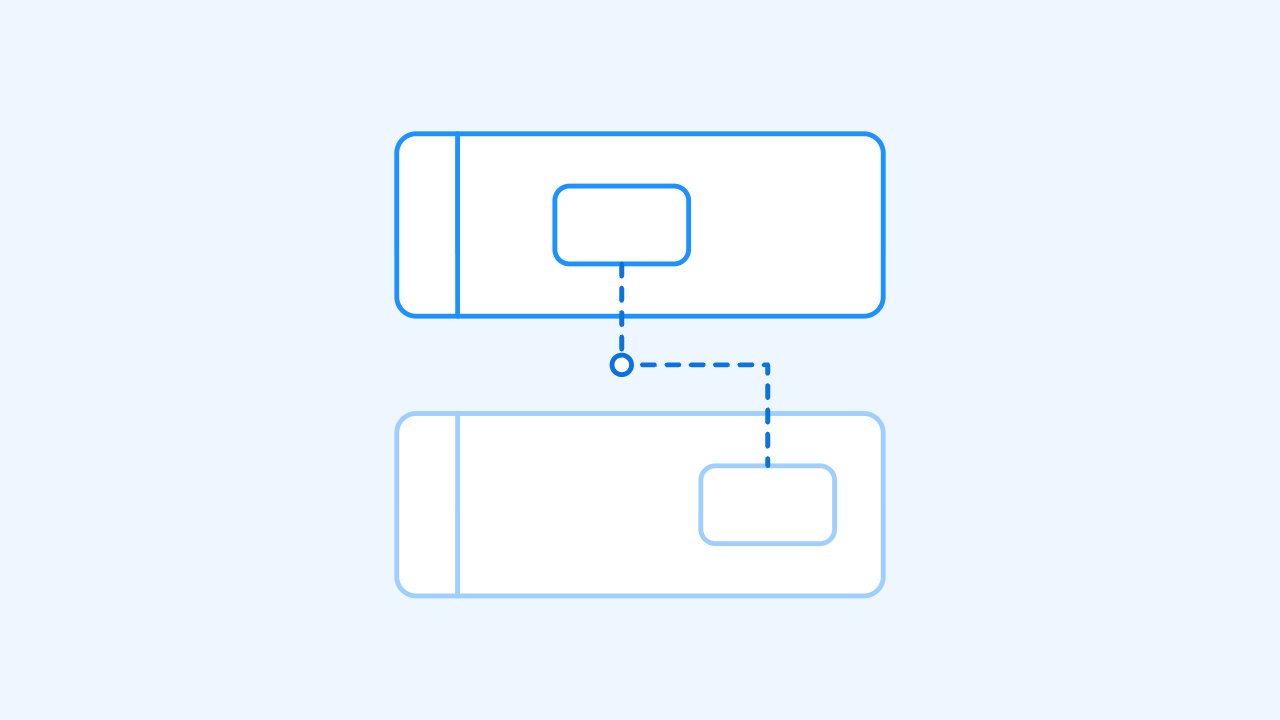
When to use pools and when to use lanes, shown on Susan's sample box process from the course with an external supplier. We modelled it twice, without pools and with a collapsed supplier pool, to show how pools expose the external dependencies you can't optimise away and make supplier reporting and compliance checks possible.
Where Should AI Go First? Prioritizing Processes and Tasks With Attributes
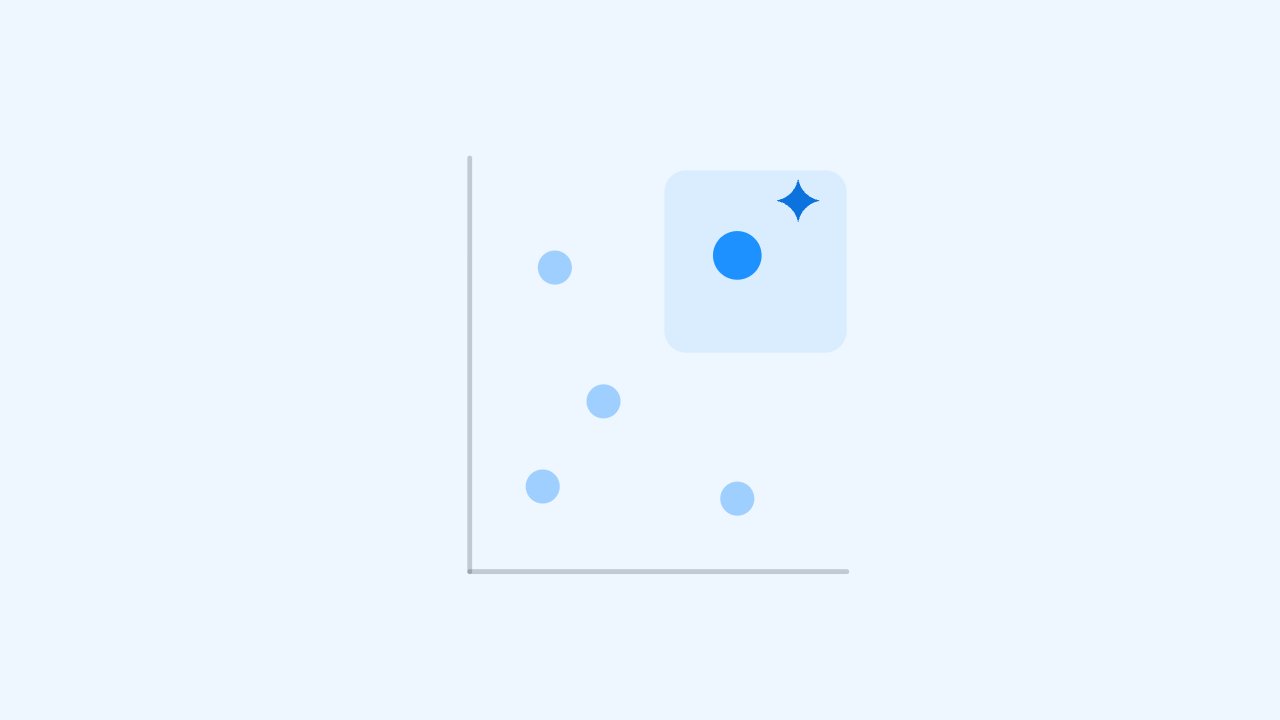
How to prioritise AI initiatives from your process models instead of case by case. We ran two passes: on the process level, two simple attributes and a filter produced a shortlist; on the task level, value potential against feasibility picked the first initiatives. In our example that left five concrete opportunities.