Episode 3 · April 2, 2026 · Hosted by Sebastian
BPMN Meets AI: How to Bring AI Into Operations
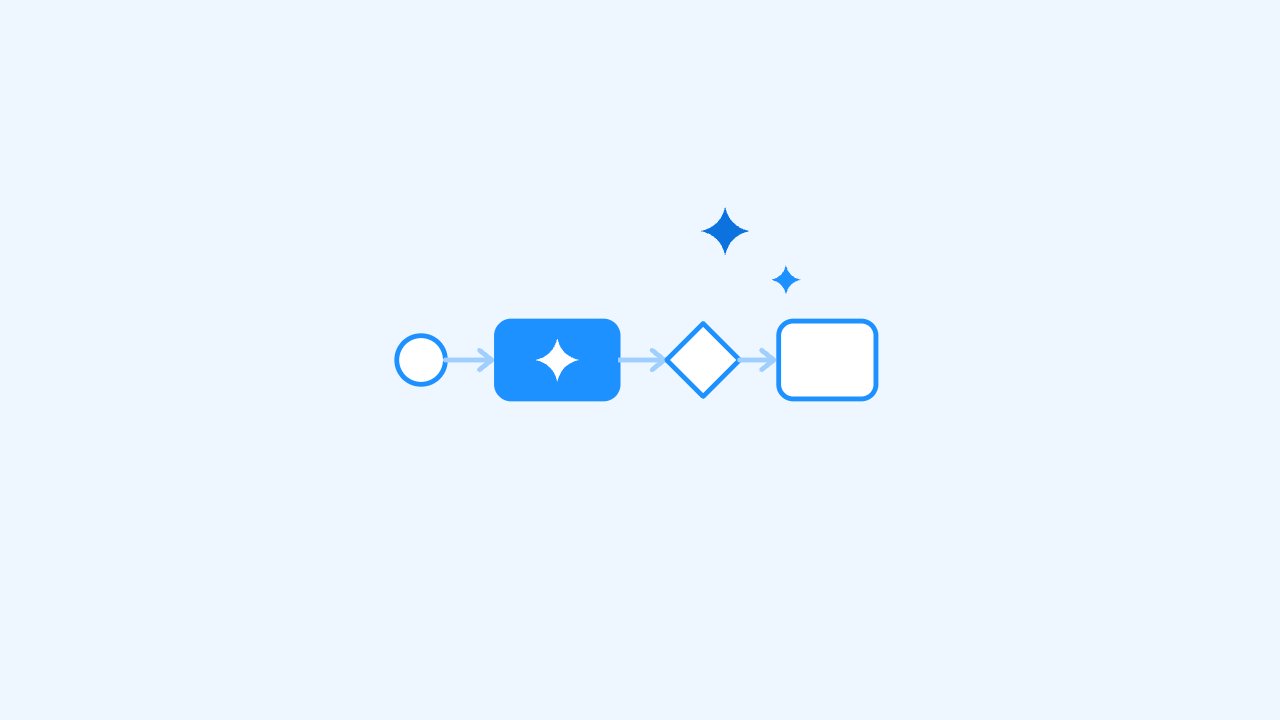
A playbook for bringing AI into operations with BPMN. We took a sales qualification process and found two agent opportunities, a pre-qualification scorecard and a business case generator, scoped what each needs, built human review into the to-be, and used time-per-task attributes to decide which pilot to build first.
The playbook for bringing AI into operations with BPMN.
The big takeaway
Most AI pilots fail because nobody defined where the agent sits, what it needs, and what it's supposed to achieve.
A BPMN process model answers all three, in minutes, not months.
What we walked through
- 01
Identify where AI fits
We took a sales qualification process and found two agent opportunities: a pre-qualification scorecard and a business case generator. Without the process map, that distinction takes hours of debate. With the map, it was obvious in seconds.
- 02
Scope what each agent needs
The qualification agent classifies (go or no-go). The business case agent synthesises a commercial document for an already-qualified prospect. Different goals, different data, different agents. The process makes that separation clear before anyone writes a line of code.
- 03
Design for safety
We redesigned the to-be process live: the agent pre-fills, the human reviews and approves. No blind handoff. Human-in-the-loop baked into the flow, not buried in a policy document.
- 04
Feed the agent real context
We replaced spreadsheet-based data collection with a structured database upload. A small design change in the process, a big difference for agent performance.
- 05
Use the process for prioritisation
We added time-per-task attributes to show how the diagram helps you decide which pilot to build first when capacity is limited.
Discuss this episode
Ask a question, share how you would model it, or suggest the next topic.
More episodes
All episodes →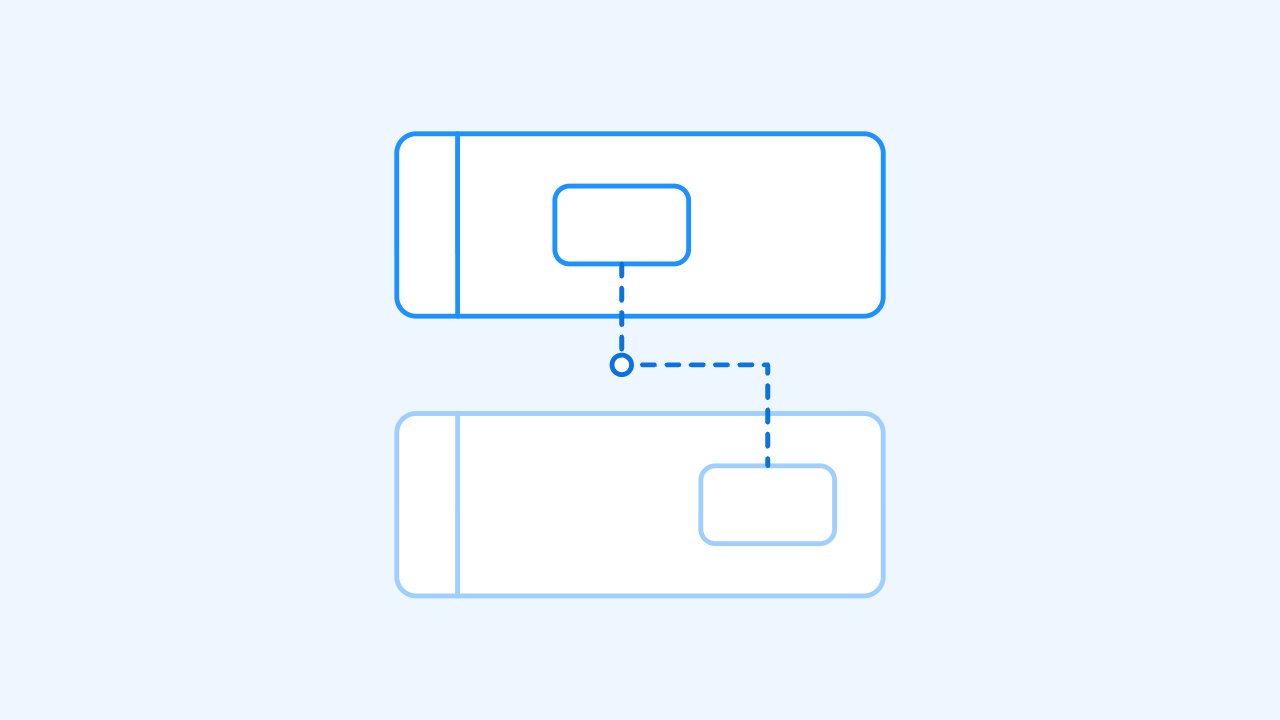
Pools vs. Lanes: When to Separate External Stakeholders
When to use pools and when to use lanes, shown on Susan's sample box process from the course with an external supplier. We modelled it twice, without pools and with a collapsed supplier pool, to show how pools expose the external dependencies you can't optimise away and make supplier reporting and compliance checks possible.
Is Your Diagram Actually Correct? Structural Validation & Token Simulation
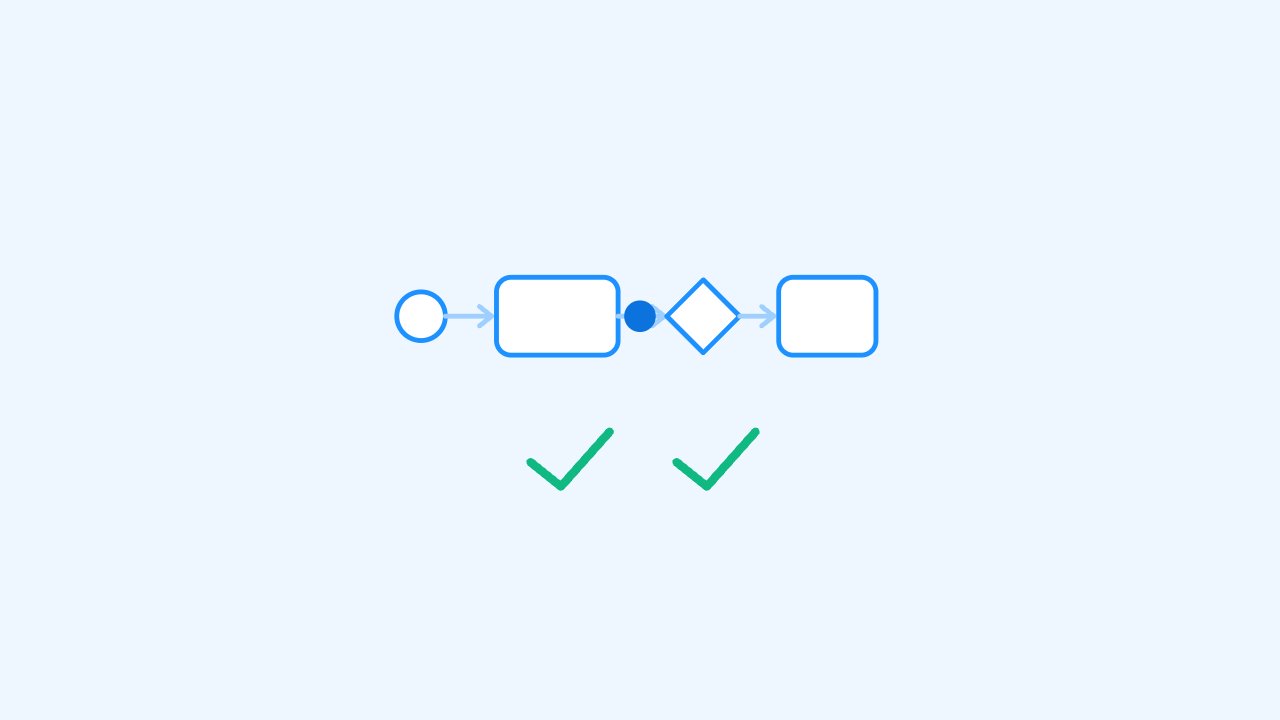
Four hidden BPMN traps you only catch when you run the process, not when you look at it: the silent multi-merge, fake decisions from the wrong gateway type, implicit parallelism, and non-terminating live loops. Plus why interrupting and non-interrupting events behave so differently, and why token simulation is the real quality gate.
Where Should AI Go First? Prioritizing Processes and Tasks With Attributes
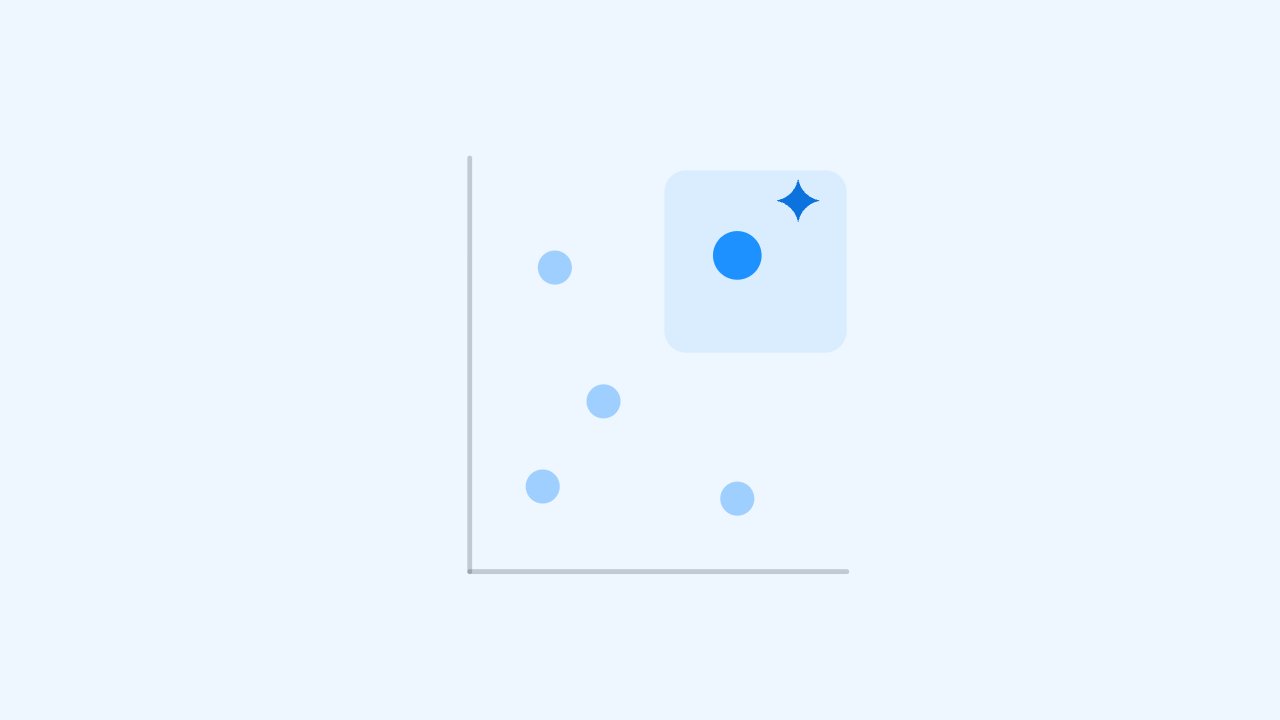
How to prioritise AI initiatives from your process models instead of case by case. We ran two passes: on the process level, two simple attributes and a filter produced a shortlist; on the task level, value potential against feasibility picked the first initiatives. In our example that left five concrete opportunities.