Episode 7 · July 9, 2026 · Hosted by Sebastian
From As-Is to To-Be, Faster with AI
The full improvement loop on a lead-to-signature process, sped up with AI: validate the as-is, capture improvement opportunities, analyse with AI, design the to-be, align stakeholders, then implement and repeat. And why none of it pays off unless the people who run the process validate the as-is first.
From as-is to to-be, faster with AI: the full loop, live.
The big takeaway
The improvement work only pays off if you first get the as-is validated by the people who actually run the process.
Skip that, and you are the outside consultant who never understood the business.
What we walked through
- 01
Validate the as-is
Have the process owner review and sign off the current lead-to-signature process before anything changes. That agreed baseline is what every later comparison rests on.
- 02
Capture improvement opportunities
Ask the people doing the work where it hurts most. Their pain points build the case for change and their buy-in at the same time.
- 03
Analyse with AI
Combine that human feedback with AI analysis of time and cost per activity, and sort the findings into waste, value-adding and necessary activities.
- 04
Design the to-be
Redesign around the findings and model the roughly 95% of cases that matter instead of every exception, so the diagram stays readable.
- 05
Align stakeholders
Compare the approved as-is with the to-be to quantify the gain, and use that business case to get budget approved before handing over to IT.
- 06
Implement and repeat
Once the to-be is live, it becomes the new as-is. Start the loop again. And don't start with your entire landscape: one process, get it right, then expand.
Discuss this episode
Ask a question, share how you would model it, or suggest the next topic.
More episodes
All episodes →
Everything Your Diagram Doesn't Tell You
The attribute layer: the information your diagram carries without ever showing it. On a single quote creation process we tagged risks from a central catalogue, maintained documents once, added task costs and gateway probabilities, classified tasks, and had an AI agent read all of it with reasoning you can trace back to the process.
AI Meets Your Process Models: Updating, Querying and Restructuring Live
An open, live session connecting AI directly to a BPMN process to see what happens when it can work on the model itself. No slides, just live prompting: enriching a diagram with cost and time, asking it questions, checking consistency across a landscape, and restructuring a whole landscape, which went surprisingly far.
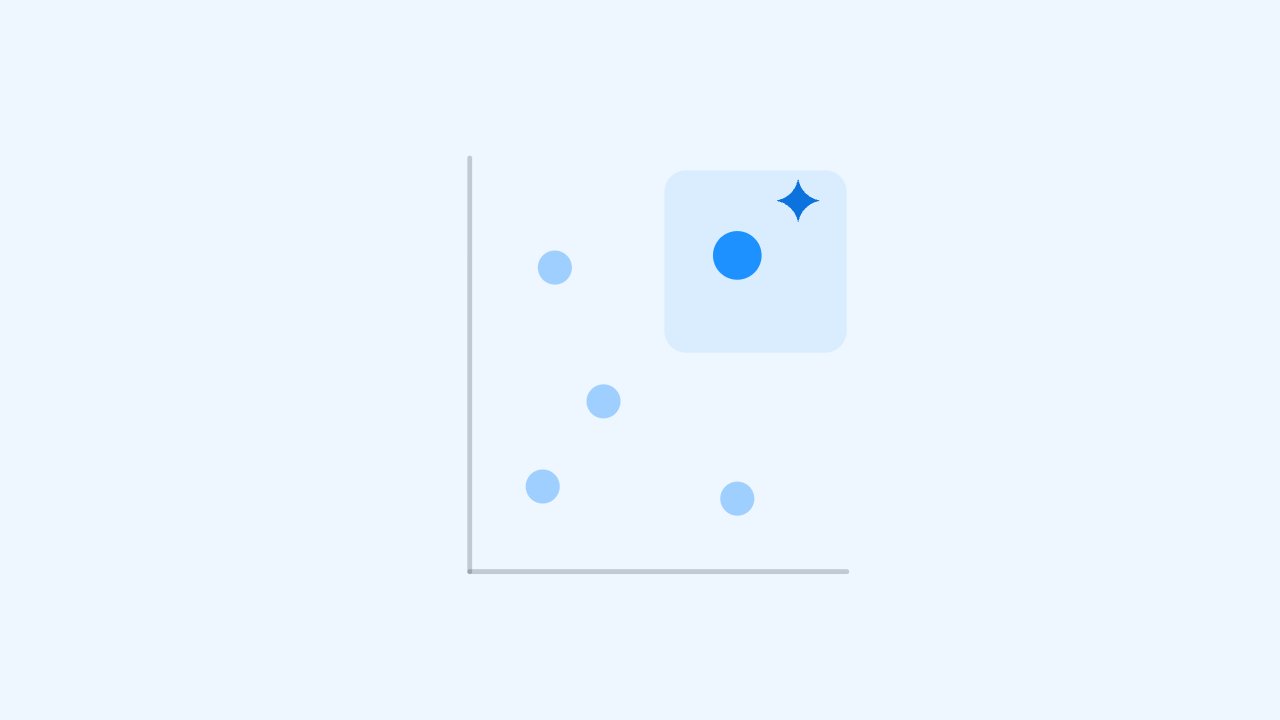
Where Should AI Go First? Prioritizing Processes and Tasks With Attributes
How to prioritise AI initiatives from your process models instead of case by case. We ran two passes: on the process level, two simple attributes and a filter produced a shortlist; on the task level, value potential against feasibility picked the first initiatives. In our example that left five concrete opportunities.