Episode 8 · July 30, 2026 · Hosted by Sebastian
Everything Your Diagram Doesn't Tell You
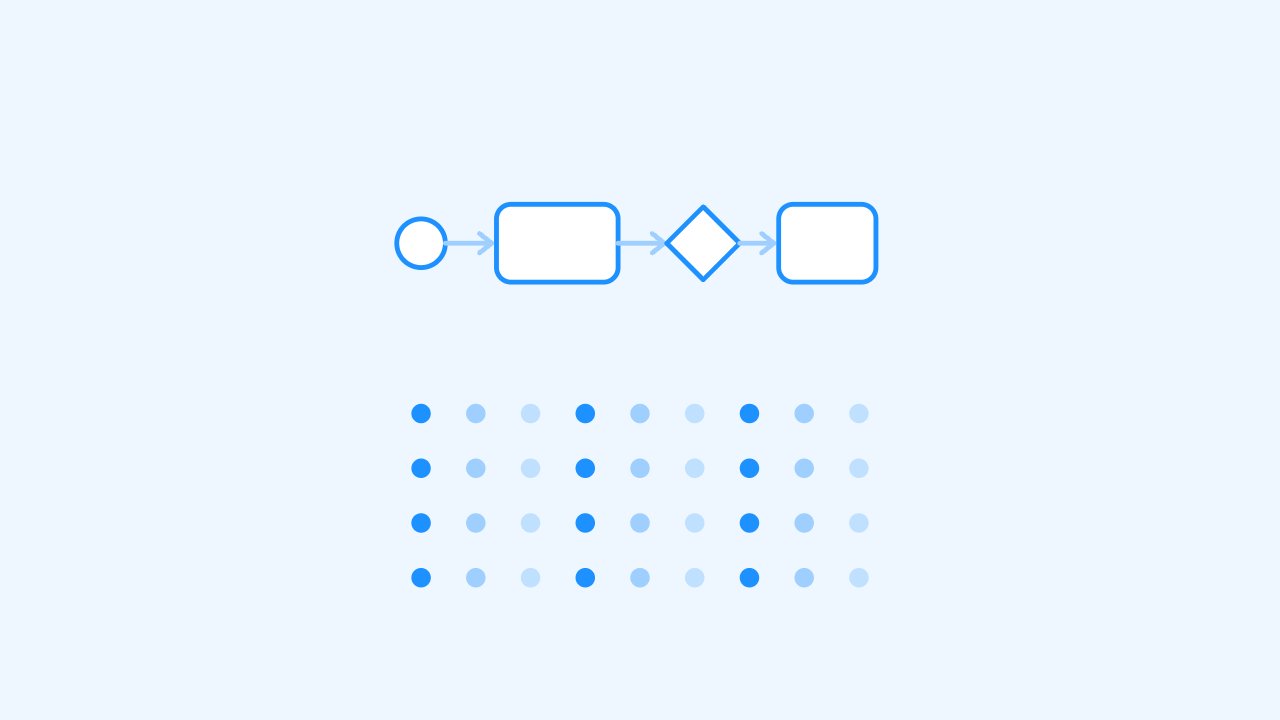
The attribute layer: the information your diagram carries without ever showing it. On a single quote creation process we tagged risks from a central catalogue, maintained documents once, added task costs and gateway probabilities, classified tasks, and had an AI agent read all of it with reasoning you can trace back to the process.
Everything your diagram doesn't tell you, and why it matters.
The big takeaway
Adding attributes feels like enriching documentation. What you are actually building underneath is a data structure AI can act on.
And the diagram itself stays clean enough for anyone in the business to read.
What we walked through
- 01
Risks and controls
Risks are tagged on tasks from a central catalogue instead of typed into the diagram. AI then flagged every task carrying a risk with no control.
- 02
Documents maintained once
Link documents such as a master service agreement to the tasks that use them. When one changes, every impacted process is visible immediately.
- 03
The real cost drivers
Cost per task plus gateway probabilities gives an average cost per run and a weighted list of where the money actually goes.
- 04
Waste, required or value
Classify each task, then cluster the results to show where AI adoption actually pays off.
- 05
An agent that reads it all
An AI agent read the whole attribute layer directly from the model, with reasoning you can trace straight back to the process.
- 06
Don't attribute everything at once
One process, one attribute type. Get that right and useful, then add the next layer. The value comes from the data being trusted, not from there being a lot of it.
Discuss this episode
Ask a question, share how you would model it, or suggest the next topic.
More episodes
All episodes →
Value Streams: Turning Scattered Diagrams Into a Connected Landscape
How to organise a pile of loose BPMN diagrams into a landscape that shows how the business actually works. We set out the levels from landscape to value stream segments to business processes to system views, compared top-down and bottom-up approaches, and linked processes horizontally to follow the journey end to end.

From As-Is to To-Be, Faster with AI
The full improvement loop on a lead-to-signature process, sped up with AI: validate the as-is, capture improvement opportunities, analyse with AI, design the to-be, align stakeholders, then implement and repeat. And why none of it pays off unless the people who run the process validate the as-is first.
Where Should AI Go First? Prioritizing Processes and Tasks With Attributes
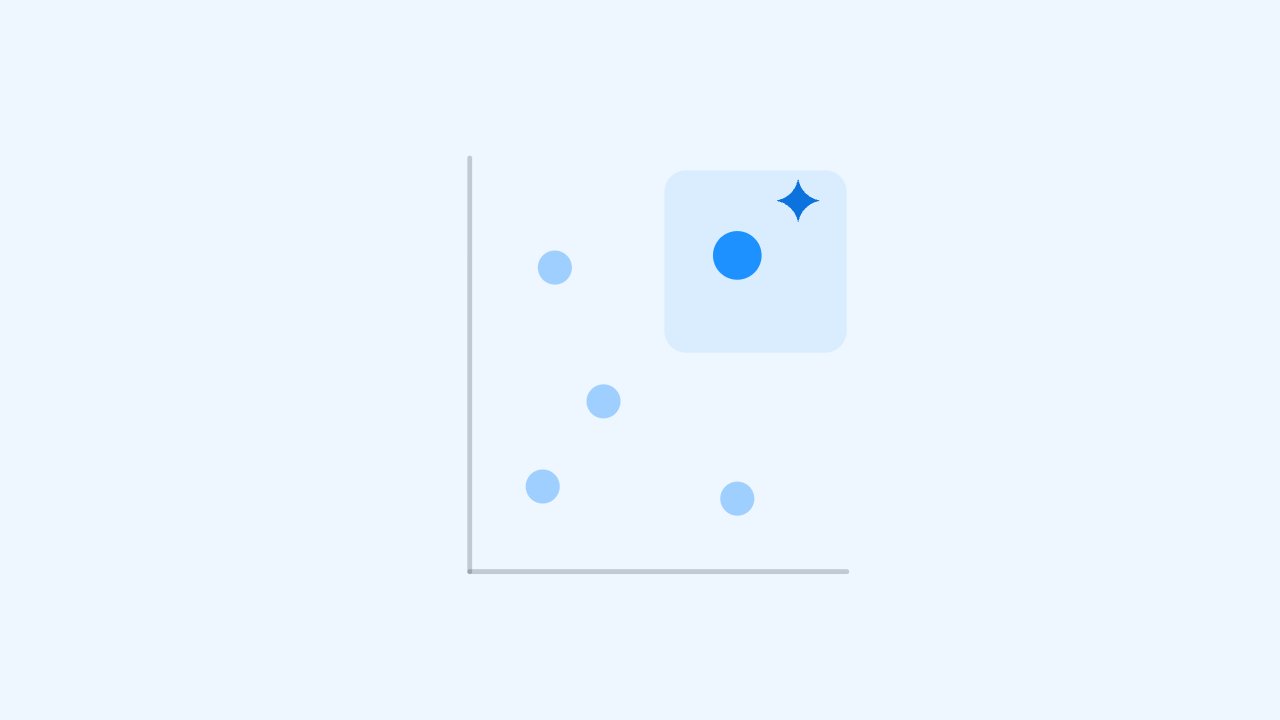
How to prioritise AI initiatives from your process models instead of case by case. We ran two passes: on the process level, two simple attributes and a filter produced a shortlist; on the task level, value potential against feasibility picked the first initiatives. In our example that left five concrete opportunities.